
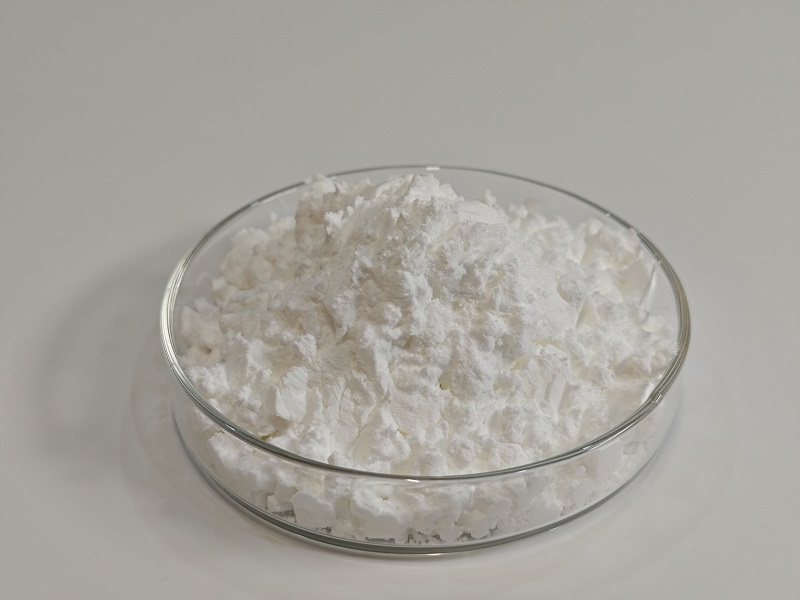
WAY-316606
A potent SFRP1 inhibitor that activates the Wnt/β-catenin signaling pathway by blocking SFRP1, promoting hair follicles to enter and extend the anagen phase. Currently one of the strongest non-minoxidil hair growth promoters; suitable for professional hair growth serums, ampoules, scalp essences, and high-end anti-hair loss products.
Overview
WAY-316606 is a revolutionary, ultra-potent hair growth ingredient recognized as “the strongest known non-minoxidil hair growth promoter” due to its exceptional Wnt pathway activation. By specifically inhibiting SFRP1 protein, it removes the natural brake on Wnt/β-catenin signaling, powerfully restarting the anagen switch, significantly prolonging the growth phase, awakening dormant follicles, and stimulating new hair growth. Its core benefits include rapidly inducing and maintaining anagen, dramatically increasing hair density and thickness, and reversing follicle miniaturization. Widely used in premium hair growth serums, ampoules, and scalp essences.
Synonyms: WAY316606; CS-2786; BenzenesulfonaMide,5-(phenylsulfonyl)-N-4-piperidinyl-2-(trifluoroMethyl)-
EINECS: 1592732-453-0
Product Categories: Secreted Frizzled-Related Protein 1 Inhibitors; Wnt/β-catenin Pathway Activators; Small Molecule Hair Growth Promoters
Mol File: 915759-45-4.mol
Physicochemical Properties
Boiling point: 601.1±65.0 °C(Predicted)
Density: 1.50±0.1 g/cm3(Predicted)
Solubility: DMF: 3mg/mL; DMSO: 3mg/mL; DMSO: PBS (pH 7.2) (1:10): 0.1 mg/mL
Form: Powder
Color: White to off-white
MSDS Information
Experimental Data
1.Cell Experiment
Solubility in DMSO: ≥ 100 mg/mL (222.98 mM; Hygroscopic DMSO significantly affects the solubility of the product, please use freshly opened DMSO)
* "≥" means soluble, but saturation unknown.
Preparing Stock Solutions:
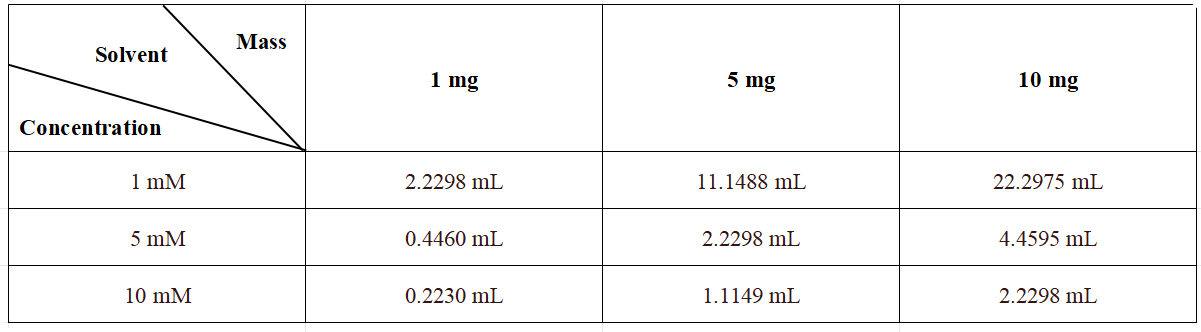
Please choose a suitable solvent to prepare the stock solution based on the product's solubility in different solvents. Once the solution is prepared, aliquot and store it to avoid product degradation caused by repeated freeze-thaw cycles.
Storage conditions and shelf life of the stock solution: -80°C for 2 years; -20°C for 1 year. When stored at -80°C, use within 2 years; when stored at -20°C, use within 1 year.
2.Animal Experiment
Please choose the appropriate dissolution method based on your experimental animals and administration route.
For all of the following dissolution schemes, please first prepare a clear stock solution according to the In Vitro method, and then add solubilizing agents in sequence:
— To ensure the reliability of experimental results, the clear stock solution can be appropriately stored according to storage conditions; for in vivo experiment working solutions, it is recommended to prepare them fresh and use them on the same day.
The percentages shown before the following solvents refer to the volume ratio of that solvent in the final solution you prepare. If precipitation or crystallization occurs during preparation, solubilization can be assisted by heating and/or sonication.
Protocol 1
Please add each solvent in order: 10% DMSO, 90% (20% SBE-β-CD in saline)
Solubility: ≥ 2.5 mg/mL (5.57 mM); clear solution
This protocol can yield a clear solution with ≥ 2.5 mg/mL (saturation unknown).
For 1 mL of working solution, add 100 μL of 25.0 mg/mL clear DMSO stock solution to 900 μL of 20% SBE-β-CD saline solution and mix well.
Dissolve 2 g of SBE-β-CD (sulfobutyl ether β-cyclodextrin) powder in 10 mL of saline, fully dissolving to a clear and transparent solution.
Protocol 2
Please add each solvent in order: 10% DMSO, 90% Corn Oil
Solubility: ≥ 2.5 mg/mL (5.57 mM); clear solution
This method can produce a clear solution with ≥ 2.5 mg/mL (saturation unknown). For animal experiments lasting more than half a month, use this method as appropriate.
For 1 mL of working solution, take 100 μL of 25.0 mg/mL clear DMSO stock solution and add it to 900 μL of corn oil, then mix thoroughly.
Pharmacodynamics
Mechanism Of Action
Similar Products
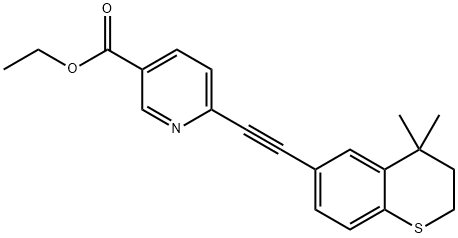
Tazarotene
Therapy
: Dermatology
Target
: RAR-γ;RAR-α;RAR-β
CAS
: 118292-40-3
MF
: C21H21NO2S
MW
: 351.46
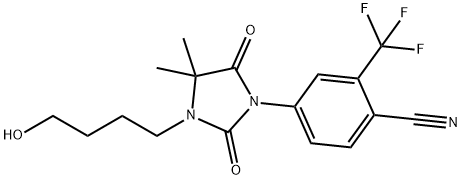
RU 58841
Therapy
: Dermatology
Target
: AR
CAS
: 154992-24-2
MF
: C17H18F3N3O3
MW
: 369.34
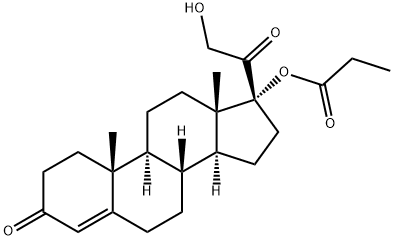
Clascoterone
Therapy
: Dermatology
Target
: AR
CAS
: 19608-29-8
MF
: C24H34O5
MW
: 402.52
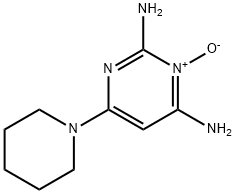
Minoxidil
Therapy
: Dermatology
Target
: VGKCs
CAS
: 38304-91-5
MF
: C9H15N5O
MW
: 209.25