
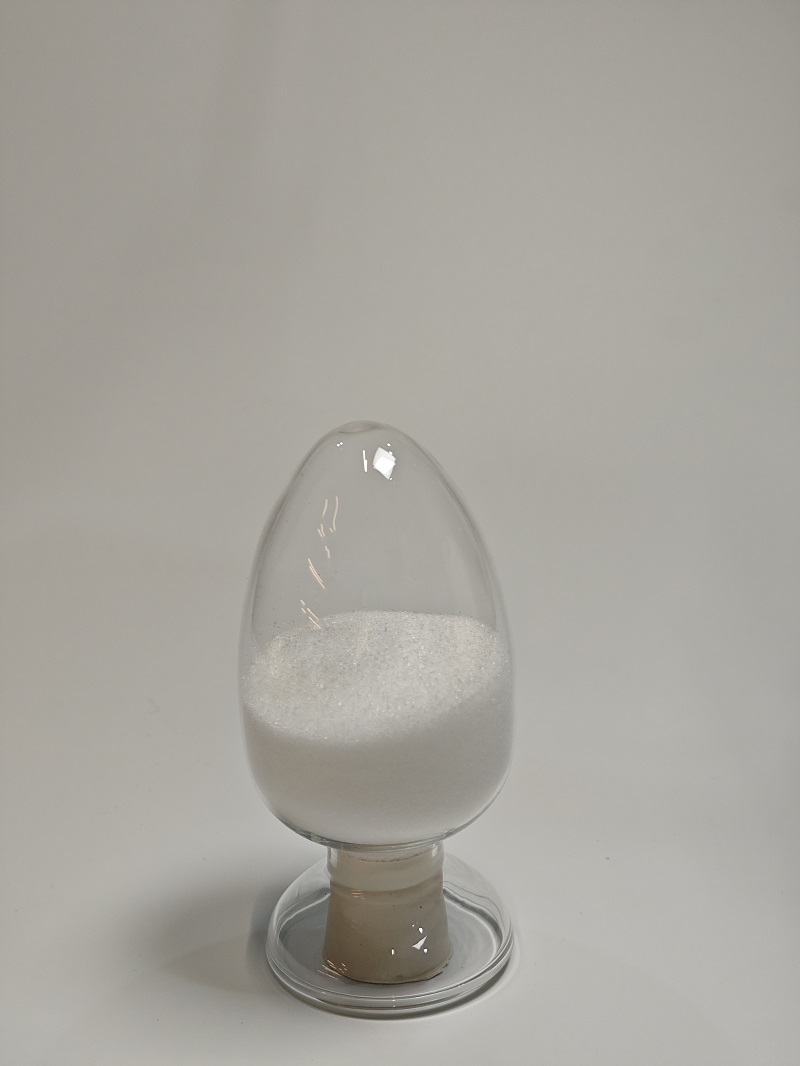
Tazarotene
A selective retinoic acid receptor (RAR) agonist studied in plaque psoriasis and acne vulgaris.
Overview
Tazarotene is an acetylenic retinoid used to treat fine wrinkles, mottled pigmentation of the skin, acne vulgaris, and plaque psoriasis. It is a click chemistry reagent, it contains an Alkyne group and can undergo copper-catalyzed azide-alkyne cycloaddition (CuAAc) with molecules containing Azide groups.
Synonyms: IDP-123; AGN-190168; AGN-190299; AGN-190168-topical; Fabior; Suretin; Tazorac; Tazoral; Avage; Zorac; tazaroteno; tazarotenum; Tazarotène; agn190168; UNII-81BDR9Y8PS
EINECS: 601-516-4
Product Categories: Antipsoriatics; Antipsoriatics for Topical Use; Cytochrome P-450 CYP2C8 Substrates; Cytochrome P-450 Substrates; Dermatologicals; Keratolytic Agents; Misc. Skin and Mucous Membrane Agents; Noxae; Prodrugs; Pyridines; Retinoids
Mol File: 118292-40-3.mol
Physicochemical Properties
Melting point: 95-98°C
Boiling point: 499.8±45.0°C(Predicted)
Density: 1.22±0.1 g/cm3(Predicted)
Storage temp: 2-8℃
Solubility: DMSO: >15 mg/mL
Form: Solid
Color: White to Very Faintly Yellow
MSDS Information
Experimental Data
1.Cell Experiment
Solubility in DMSO: 50 mg/mL (142.26 mM; solubilized by ultrasound; hygroscopic DMSO significantly affects product solubility, so use freshly opened DMSO).
Solubility in H2O: < 0.1 mg/mL (insoluble)
Preparing Stock Solutions:
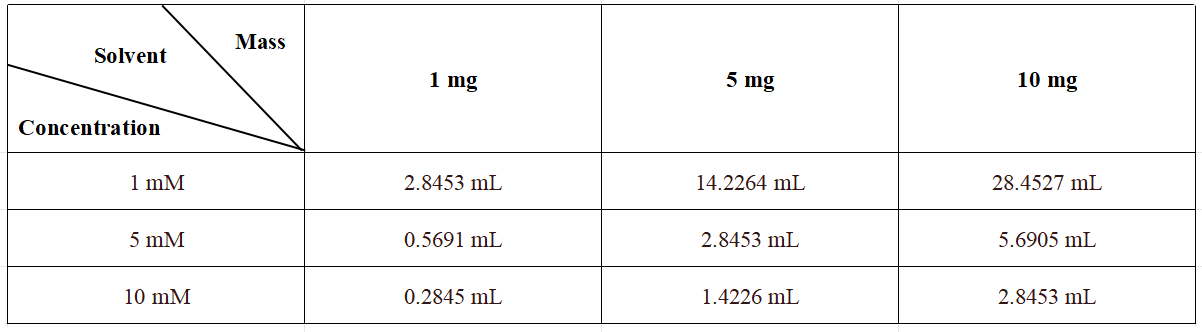
Prepare a stock solution in an appropriate solvent based on the product's solubility in different solvents. Once prepared, aliquot and store to avoid product loss due to repeated freeze-thaw cycles.
Stock solution storage and expiration date: -80°C, 2 years; -20°C, 1 year. When stored at -80°C, use within 2 years; when stored at -20°C, use within 1 year.
2.Animal Experiment
Please choose the appropriate dissolution method according to your experimental animals and administration method.
For the following dissolution protocols, first prepare a clear stock solution in vitro, then add cosolvents in sequence:
—To ensure reliable experimental results, the clear stock solution can be stored appropriately according to storage conditions. For in vivo experiments, it is recommended that the working solution be prepared fresh and used the same day.
The percentages shown before the solvents below refer to the volume percentage of the solvent in the final solution. If precipitation or precipitation occurs during the preparation process, heating and/or sonication can be used to aid dissolution.
Protocol 1
Add each solvent in order: 10% DMSO, 40% PEG300, 5% Tween-80, 45% Saline.
Solubility: ≥ 2.5 mg/mL (7.11 mM); Clear Solution
This protocol produces a clear solution of ≥ 2.5 mg/mL (saturation unknown).
For a 1 mL working solution, add 100 μL of the 25.0 mg/mL clear DMSO stock solution to 400 μL of PEG300 and mix thoroughly. Add 50 μL of Tween-80 to the solution and mix thoroughly. Then, add 450 μL of saline to bring the volume to 1 mL.
To prepare saline solution: Dissolve 0.9 g of sodium chloride in ddH₂O and dilute to 100 mL. This will yield a clear, transparent saline solution.
Protocol 2
Please add each solvent in the following order: 10% DMSO, 90% corn oil.
Solubility: ≥ 2.5 mg/mL (7.11 mM); Clear solution
This protocol produces a clear solution of ≥ 2.5 mg/mL (saturation unknown). This protocol should be used for animal experiments with experimental durations exceeding two weeks.
For a 1 mL working solution, add 100 μL of the 25.0 mg/mL clear DMSO stock solution to 900 μL of corn oil and mix thoroughly.
Pharmacodynamics
Following topical application, tazarotene undergoes esterase hydrolysis to form its active metabolite, tazarotenic acid. When treating acne tazarotene may be taken in conjunction with an oral antibiotic. Tazarotene has been shown in peer-reviewed double blinded studies to reduce: mottling and hyperpigmentation, sallowness, fine wrinkling and coarse wrinkling in sun damaged skin. Histological studies have shown that long term (greater than 1 year) use of Tazarotene is associated with a significant reduction in atypical melanocytes and keratocytes - cells considered to be precursors of skin cancer. Some studies have shown long term use of Tazarotene to be associated with increased collagen production and better organization of skin collagen bundles.
Mechanism Of Action
Although the exact mechanism of tazarotene action is not known, studies have shown that the active form of the drug (tazarotenic acid) binds to all three members of the retinoic acid receptor (RAR) family: RARa, RARb, and RARg, but shows relative selectivity for RARb, and RARg and may modify gene expression. It also has affinity for RXR receptors.
Similar Products
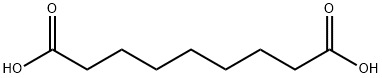
Azelaic Acid
Therapy
: Dermatology
Target
: Antibiotic; Endogenous Metabolite
CAS
: 123-99-9
MF
: C9H16O4
MW
: 188.22
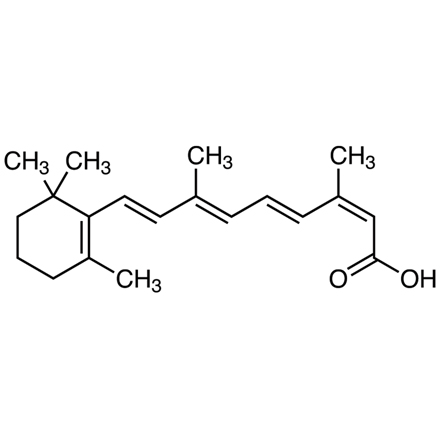
Isotretinoin
Therapy
: Dermatology
Target
: RARs
CAS
: 4759-48-2
MF
: C20H28O2
MW
: 300.44
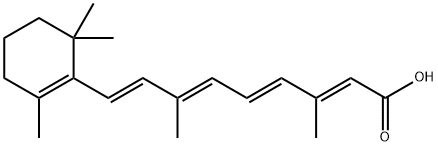
Tretinoin
Therapy
: Dermatology
Target
: RAR-γ;RAR-α;RAR-β
CAS
: 302-79-4
MF
: C20H28O2
MW
: 300.44

Sofpironium Bromide
Therapy
: Dermatology
Target
: mAChR
CAS
: 1607842-55-6
MF
: C49H68Cl2N10O10S2
MW
: 1092.16122