
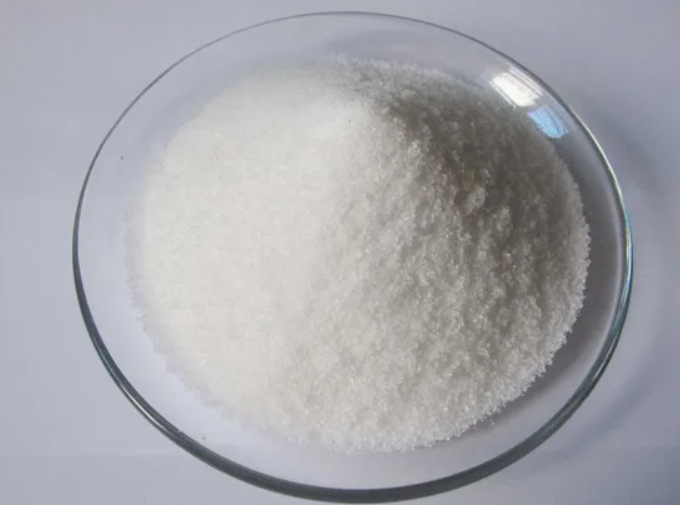
Minoxidil
An antihypertensive vasodilating agent used for resistant hypertension that is symptomatic or has caused end organ damage.
Overview
Minoxidil, this FDA-approved ingredient combats hair loss by opening potassium channels, dilating scalp blood vessels to boost nutrient-rich blood flow to hair follicles. It revitalizes resting follicles, prolongs the growth phase, and transforms fine hairs into thicker terminal strands, increasing hair density. Effective for both men and women with pattern hair loss at 2%-5% concentrations, it requires consistent use with possible initial temporary shedding indicating renewed activity.
Synonyms: Minoxidilum (ミノキシジル,哌嘧啶二胺;敏诺西代;敏乐血定;降压定;长压定,TM-160;CUP-MNDE;CU-40103;MN-709;U-10858); Minossidile; 2,4-diamino-6-piperidinopyrimidine3-n-oxide;4-pyrimidinediamine,6-(1-piperidinyl)-3-oxide;6-amino-1,2-dihydro-1-hydroxy-2-imino-4-piperidinopyrimidine;6-piperidino-2,4-diaminopyrimidine3-oxide;alopexil;2,6-diamino-4-(piperidin-1-yl)pyrimidin-1-ium-1-olate;alostil;lonolox
EINECS: 253-874-2
Product Categories: Other APIs;ROGAINE;Heteroctcles;Bases & Related Reagents;Nitric Oxide Reagents;Nucleotides;API;Intermediates & Fine Chemicals;Pharmaceuticals;API's;Potassium channel; Antihypertensive Agents; Cardiovascular Agents; Dermatologicals; Potassium Channel Opener
Mol File: 38304-91-5.mol
Physicochemical Properties
Melting point: 272-274 °C
Storage temp: 2-8°C
Solubility: Slightly soluble in water, soluble in methanol and in propylene glycol.
Form: Solid
Color: White
Water Solubility: Soluble in water (2.2 mg/ml), 100% ethanol (29 mg/ml), propylene glycol, acetone, DMSO (6.5 mg/ml), and methanol.
Stability: Stable for 2 years from date of purchase as supplied. Protect from moisture. Solutions in DMSO or ethanol may be stored at -20°C for up to 3 months.
MSDS Information
Experimental Data
1.Cell Experiment
Solubility in Ethanol : 7.14 mg/mL (34.12 mM; Need ultrasonic)
DMSO : 5 mg/mL (23.89 mM; ultrasonic and warming and heat to 60°C)
H2O : 1 mg/mL (4.78 mM; ultrasonic and warming and heat to 50°C)
Preparing Stock Solutions:
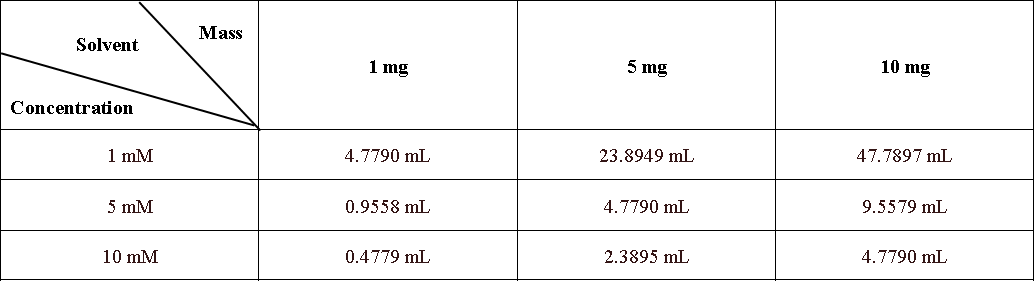
Please select an appropriate solvent for the preparation of the stock solution based on the solubility of the product in different solvents. Once the solution is prepared, aliquot and store it to avoid product failure caused by repeated freeze-thaw cycles.
Storage method and duration of the stock solution:-80℃: 2 years; -20℃: 1 year. When stored at -80°C, use within 2 years; when stored at -20°C, use within 1 year.
2.Animal Experiment
Please select an appropriate dissolution protocol based on your experimental animals and route of administration. For all the following protocols, first prepare a clear stock solution according to the In Vitro method, and then add co-solvents sequentially:
To ensure the reliability of experimental results, the clear stock solution can be stored appropriately according to the storage conditions. For in vivo working solutions, it is recommended to prepare them freshly on the day of use. The percentage indicated before each solvent refers to its volume ratio in the final solution. If precipitation or crystallization occurs during preparation, heating and/or sonication can be used to aid dissolution.
Protocol 1
Add each solvent in the following order: 50% PEG300 50% Saline
Solubility: 5 mg/mL (23.89 mM); Clear solution; Requires sonication
Protocol 2
Add each solvent in the following order: PBS
Solubility: 1.96 mg/mL (9.37 mM); Clear solution; Requires sonication and warming to 60 °C
Protocol 3
Add each solvent in the following order: 10% EtOH 40% PEG300 5% Tween‑80 45% Saline
Solubility: ≥ 0.71 mg/mL (3.39 mM); Clear solution
This protocol yields a clear solution of ≥ 0.71 mg/mL (3.39 mM, saturation unknown).
Example for 1 mL working solution:
Add 100 μL of 7.1 mg/mL clear EtOH stock solution to 400 μL PEG300 and mix well. Then add 50 μL Tween‑80 and mix again. Finally, add 450 μL saline to bring the volume to 1 mL.
Protocol 4
Add each solvent in the following order: 10% EtOH 90% (20% SBE‑β‑CD in Saline)
Solubility: ≥ 0.71 mg/mL (3.39 mM); Clear solution
This protocol yields a clear solution of ≥ 0.71 mg/mL (3.39 mM, saturation unknown).
Example for 1 mL working solution:
Add 100 μL of 7.1 mg/mL clear EtOH stock solution to 900 μL of 20% SBE‑β‑CD in saline and mix well.
Protocol 5
Add each solvent in the following order: 10% EtOH 90% Corn Oil
Solubility: ≥ 0.71 mg/mL (3.39 mM); Clear solution
This protocol yields a clear solution of ≥ 0.71 mg/mL (3.39 mM, saturation unknown).
Note: This protocol is not suitable for experiments lasting longer than two weeks.
Example for 1 mL working solution:
Add 100 μL of 7.1 mg/mL clear EtOH stock solution to 900 μL corn oil and mix well.
Protocol 6
Add each solvent in the following order: 10% DMSO 40% PEG300 5% Tween‑80 45% Saline
Solubility: ≥ 0.5 mg/mL (2.39 mM); Clear solution
This protocol yields a clear solution of ≥ 0.5 mg/mL (2.39 mM, saturation unknown).
Example for 1 mL working solution:
Add 100 μL of 5.0 mg/mL clear DMSO stock solution to 400 μL PEG300 and mix well. Then add 50 μL Tween‑80 and mix again. Finally, add 450 μL saline to bring the volume to 1 mL.
Protocol 7
Add each solvent in the following order: 10% DMSO 90% (20% SBE‑β‑CD in Saline)
Solubility: ≥ 0.5 mg/mL (2.39 mM); Clear solution
This protocol yields a clear solution of ≥ 0.5 mg/mL (2.39 mM, saturation unknown).
Example for 1 mL working solution:
Add 100 μL of 5.0 mg/mL clear DMSO stock solution to 900 μL of 20% SBE‑β‑CD in saline and mix well.
Protocol 8
Add each solvent in the following order: 10% DMSO 90% Corn Oil
Solubility: ≥ 0.5 mg/mL (2.39 mM); Clear solution
This protocol yields a clear solution of ≥ 0.5 mg/mL (2.39 mM, saturation unknown).
Note: This protocol is not suitable for experiments lasting longer than two weeks.
Example for 1 mL working solution:
Add 100 μL of 5.0 mg/mL clear DMSO stock solution to 900 μL corn oil and mix well.
Pharmacodynamics
Minoxidil is an orally effective direct acting peripheral vasodilator that reduces elevated systolic and diastolic blood pressure by decreasing peripheral vascular resistance. Minoxidil is also used topically to treat androgenetic alopecia. Microcirculatory blood flow in animals is enhanced or maintained in all systemic vascular beds. In man, forearm and renal vascular resistance decline; forearm blood flow increases while renal blood flow and glomerular filtration rate are preserved. The predominant site of minoxidil action is arterial. Venodilation does not occur with minoxidil; thus, postural hypotension is unusual with its administration. The antihypertensive activity of minoxidil is due to its sulphate metabolite, minoxidil sulfate.
Mechanism Of Action
Minoxidil is thought to promote the survival of human dermal papillary cells (DPCs) or hair cells by activating both extracellular signal-regulated kinase (ERK) and Akt and by preventing cell death by increasing the ratio of BCl-2/Bax. Minoxidil may stimulate the growth of human hairs by prolonging anagen through these proliferative and anti-apoptotic effects on DPCs. Minoxidil, when used as a vasodilator, acts by opening adenosine triphosphate-sensitive potassium channels in vascular smooth muscle cells. This vasodilation may also improve the viability of hair cells or hair follicles.
Similar Products
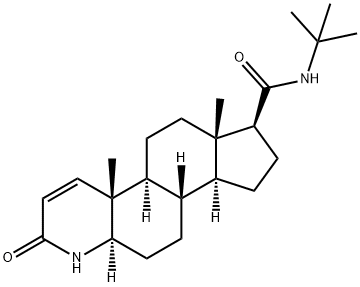
Finasteride
Therapy
: Genitourinary
Target
: SRD5A
CAS
: 98319-26-7
MF
: C23H36N2O2
MW
: 372.54
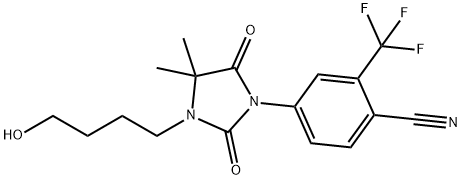
RU 58841
Therapy
: Dermatology
Target
: AR
CAS
: 154992-24-2
MF
: C17H18F3N3O3
MW
: 369.34
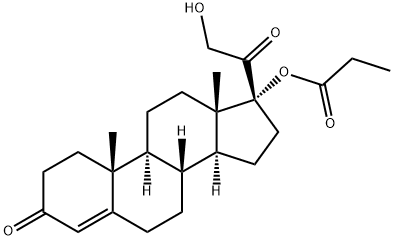
Clascoterone
Therapy
: Dermatology
Target
: AR
CAS
: 19608-29-8
MF
: C24H34O5
MW
: 402.52
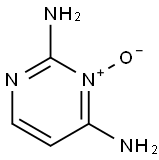
Diaminopyrimidine oxide
Therapy
: Dermatology
Target
:
CAS
: 74638-76-9
MF
: C4H6N4O
MW
: 126.12