
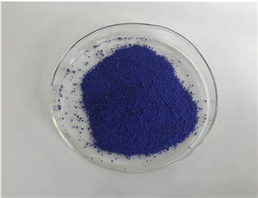
AHK-Cu
An efficient ingredient combats hair loss by strengthening hair follicle structure through stimulating key protein synthesis and providing antioxidant protection to repair the scalp and delay follicular aging.
Overview
AHK-Cu (Copper Peptide 1) is a highly efficient ingredient renowned for its distinctive blue color and exceptional bioactivity. Through multi-targeted mechanisms, it addresses the root causes of hair loss by effectively restoring the scalp environment and promoting the growth of healthy, strong hair. Its core benefits include: acting as a signaling peptide to stimulate the synthesis of key proteins such as collagen, thereby strengthening the follicle structure; providing powerful antioxidant protection to neutralize free radicals and delay follicular aging; and repairing damaged scalp while improving barrier health to create an optimal growth environment for hair follicles. It is widely used in scalp care products such as hair growth serums and anti-hair loss shampoos.
Synonyms: ALA-HIS-LYS-CU; Copper Peptide 1:1; L-Alanyl-κN-L-histidyl-κN,κN3-L-lysinato(2-)]copper Monohydrochloride; AHK-Cu(2:1); ALA-HIS-LYS-CU(AHK-Cu)
Mol File: 682809-81-0.mol
Physicochemical Properties
Storage condition: Store at cool dry place(-20°C, away from the light)
MSDS Information
Experimental Data
Pharmacodynamics
Mechanism Of Action
This copper-binding tripeptide (Alanine-Histidine-Lysine-Copper) is researched for skin and hair regeneration. Its mechanism involves chelating copper ions to enhance enzymatic reactions, stimulating fibroblast proliferation, boosting vascular endothelial growth factor (VEGF) for angiogenesis, and promoting collagen, elastin, and extracellular matrix production. It also increases antioxidant enzyme activity to reduce oxidative damage, supports wound healing, and may influence TGF-beta1 pathways to activate cell replication in hair follicles.
Similar Products
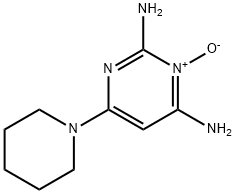
Minoxidil
Therapy
: Dermatology
Target
: VGKCs
CAS
: 38304-91-5
MF
: C9H15N5O
MW
: 209.25
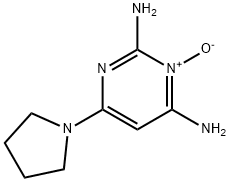
PYRROLIDINYL DIAMINOPYRIMIDINE OXIDE
Therapy
: Dermatology
Target
:
CAS
: 55921-65-8
MF
: C8H13N5O
MW
: 195.22
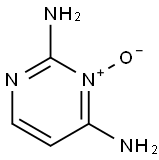
Diaminopyrimidine oxide
Therapy
: Dermatology
Target
:
CAS
: 74638-76-9
MF
: C4H6N4O
MW
: 126.12
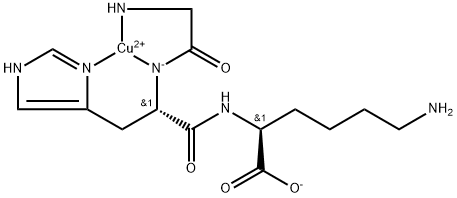
GHK-Cu
Therapy
: Dermatology
Target
:
CAS
: 89030-95-5
MF
: C14H21CuN6O4
MW
: 400.91