
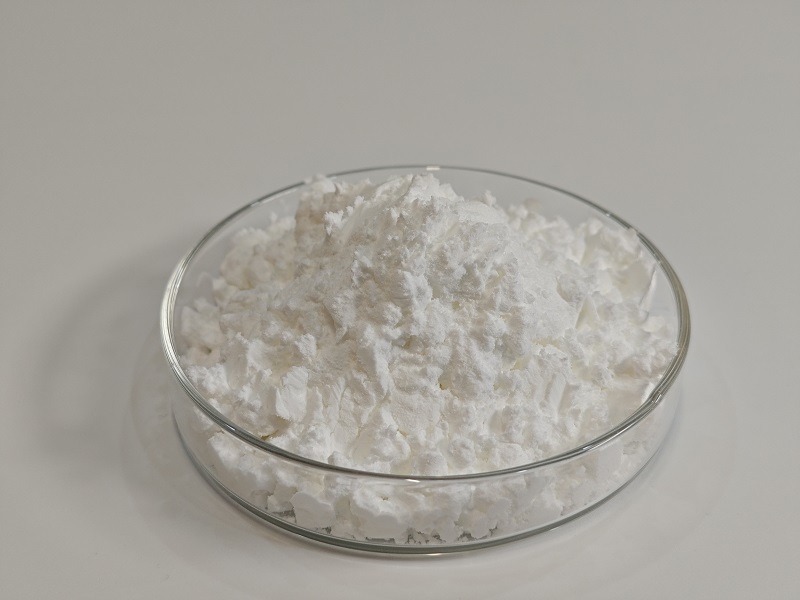
RU 58841
An androgen receptor antagonist that promotes hair regrowth.
Overview
RU 58841 is an effective topical non-steroidal androgen receptor antagonist with specific anti-androgenic effects. It can be used in pharmaceutical research related to abnormal androgen-related diseases such as androgenetic alopecia, benign prostatic hyperplasia, acne and androgen-dependent skin diseases.
Synonyms: PSK-3841; HMR-3841
EINECS: 1592732-453-0
Product Categories: Androgen receptor; Endocrine; Organic Compounds; Aromatics; Pharmaceuticals; Intermediates & Fine Chemicals; API
Mol File: 154992-24-2.mol
Physicochemical Properties
Boiling point: 493.6°C at 760 mmHg
Density: 1.39g/cm3
Storage temp: -20℃
Form: Solid
Color: White to Off-white
MSDS Information
Experimental Data
1.Cell Experiment
Solubility in DMSO: ≥100 mg/mL (270.75 mM; Hygroscopic DMSO can significantly affect product solubility, so use freshly opened DMSO.)
* "≥" means soluble, but saturation is unknown.
Preparing Stock Solutions:
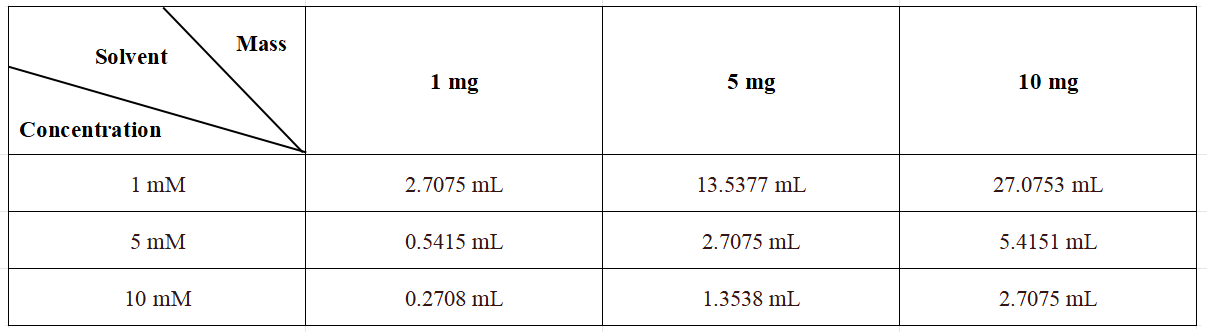
Prepare a stock solution in an appropriate solvent based on the product's solubility in different solvents. Once prepared, aliquot and store to avoid product loss due to repeated freeze-thaw cycles.
Stock solution storage and expiration date: -80°C, 2 years; -20°C, 1 year. When stored at -80°C, use within 2 years; when stored at -20°C, use within 1 year.
2.Animal Experiment
For the following dissolution protocols, first prepare a clear stock solution in vitro, then add cosolvents in sequence:
—To ensure reliable experimental results, the clear stock solution can be stored appropriately according to storage conditions. For in vivo experiments, it is recommended that the working solution be prepared fresh and used the same day.
The percentages shown before the solvents below refer to the volume percentage of the solvent in the final solution. If precipitation or precipitation occurs during the preparation process, heating and/or sonication can be used to aid dissolution.
Protocol 1
Add each solvent in order: 10% DMSO, 40% PEG300, 5% Tween-80, 45% Saline.
Solubility: ≥ 2.5 mg/mL (6.77 mM); Clear Solution
This protocol produces a clear solution of ≥ 2.5 mg/mL (saturation unknown).
For a 1 mL working solution, add 100 μL of the 25.0 mg/mL clear DMSO stock solution to 400 μL of PEG300 and mix thoroughly. Add 50 μL of Tween-80 to the solution and mix thoroughly. Then, add 450 μL of normal saline to bring the volume to 1 mL.
To prepare normal saline, dissolve 0.9 g of sodium chloride in ddH₂O and dilute to 100 mL. This will yield a clear, transparent normal saline solution.
Protocol 2
Add each solvent in sequence: 10% DMSO, 90% (20% SBE-β-CD in saline)
Solubility: ≥2.5 mg/mL (6.77 mM); Clear Solution
This protocol yields a clear solution of ≥ 2.5 mg/mL (saturation unknown).
For a 1 mL working solution, add 100 μL of the 25.0 mg/mL clear DMSO stock solution to 900 μL of a 20% SBE-β-CD solution in saline and mix thoroughly.
Dissolve 2 g of SBE-β-CD (sulfobutyl ether β-cyclodextrin) powder in 10 mL of saline until clear and transparent.
Protocol 3
Please add each solvent in the following order: 10% DMSO, 90% corn oil.
Solubility: ≥ 2.5 mg/mL (6.77 mM); Clear solution
This protocol produces a clear solution of ≥ 2.5 mg/mL (saturation unknown). This protocol should be used for animal experiments with experimental durations exceeding two weeks.
For a 1 mL working solution, add 100 μL of the 25.0 mg/mL clear DMSO stock solution to 900 μL of corn oil and mix thoroughly.
Pharmacodynamics
Mechanism Of Action
Similar Products
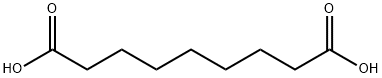
Azelaic Acid
Therapy
: Dermatology
Target
: Antibiotic; Endogenous Metabolite
CAS
: 123-99-9
MF
: C9H16O4
MW
: 188.22
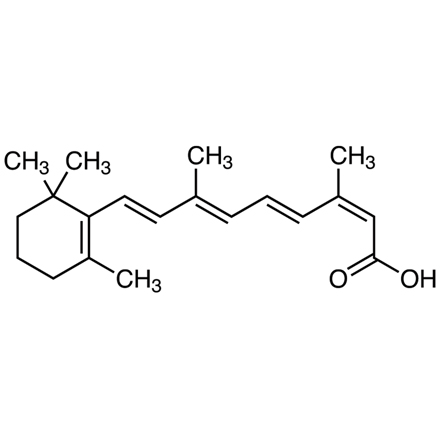
Isotretinoin
Therapy
: Dermatology
Target
: RARs
CAS
: 4759-48-2
MF
: C20H28O2
MW
: 300.44
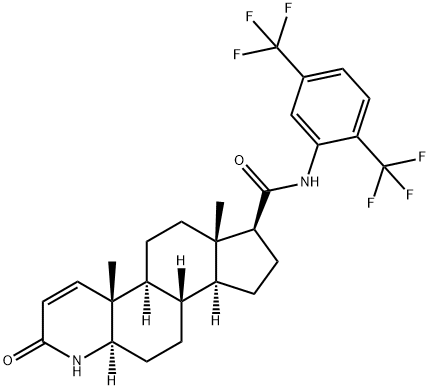
Dutasteride
Therapy
: Genitourinary
Target
: SRD5A
CAS
: 164656-23-9
MF
: C27H30F6N2O2
MW
: 528.53
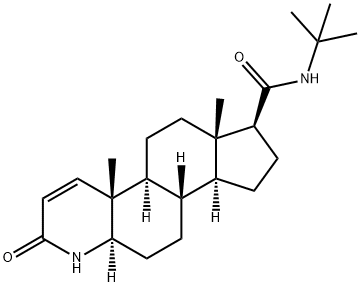
Finasteride
Therapy
: Genitourinary
Target
: SRD5A
CAS
: 98319-26-7
MF
: C23H36N2O2
MW
: 372.54