
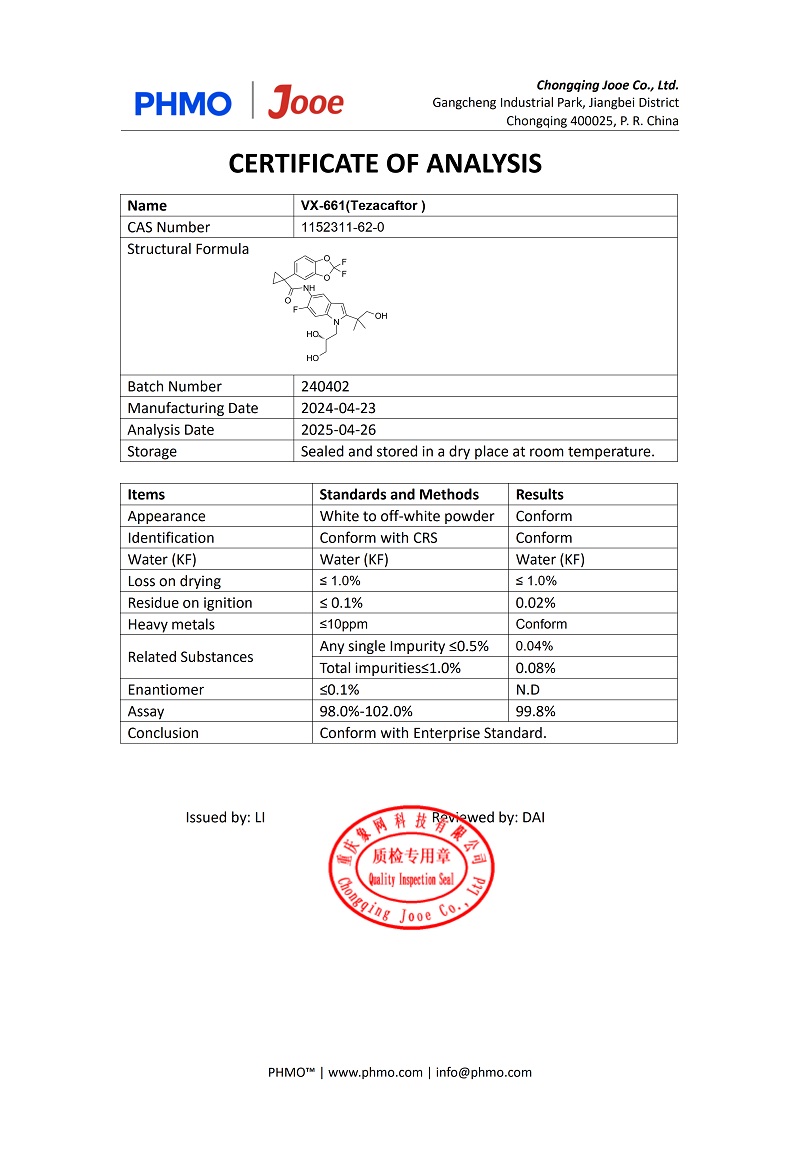
Tezacaftor
A CFTR corrector used to treat cystic fibrosis in patients with susceptible mutations.
Overview
Tezacaftor is a drug of the cystic fibrosis transmembrane conductance regulator (CFTR) corrector class.11 It was developed by Vertex Pharmaceuticals and FDA approved in combination with ivacaftor to manage cystic fibrosis. This drug was approved by the FDA on February 12, 2018
Synonyms: VX-661; 8RW88Y506K (UNII code); correctors VX-661; Tezacaftorum; 1-(2,2-difluoro-1,3-benzodioxol-5-yl)-N-[1-[(2R)-2,3-dihydroxypropyl]-6-fluoro-2-(2-hydroxy-1,1-dimethylethyl)-1H-indol-5-yl]-cyclopropanecarboxamide
Product Categories: BCRP/ABCG2 Inhibitors; API; inhibitor; Membrane Transport/Ion Channel; Small Molecule Inhibitor; Small Molecule Inhibitor, Natural Product; Pharmaceutical Active Pharmaceutical Ingredient (API); Fine Chemical Products; Pharmaceutical Raw Materials
Mol File:1152311-62-0.mol
Physicochemical Properties
Melting point: 610.8±55.0°C
Storage temp: Store at -20°C , stored under nitrogen
Solubility: ≥21.8 mg/mL in DMSO; insoluble in ethanol; ≥24.3 mg/mL in water
Color: White to Light Yellow
MSDS Information
Experimental Data
1. Cell Experiment
Solubility in DMSO: 50 mg/mL (96.06 mM; ultrasonic treatment required. Hygroscopic DMSO significantly affects the solubility of the product. Please use freshly opened DMSO.)
Preparing Stock Solutions:
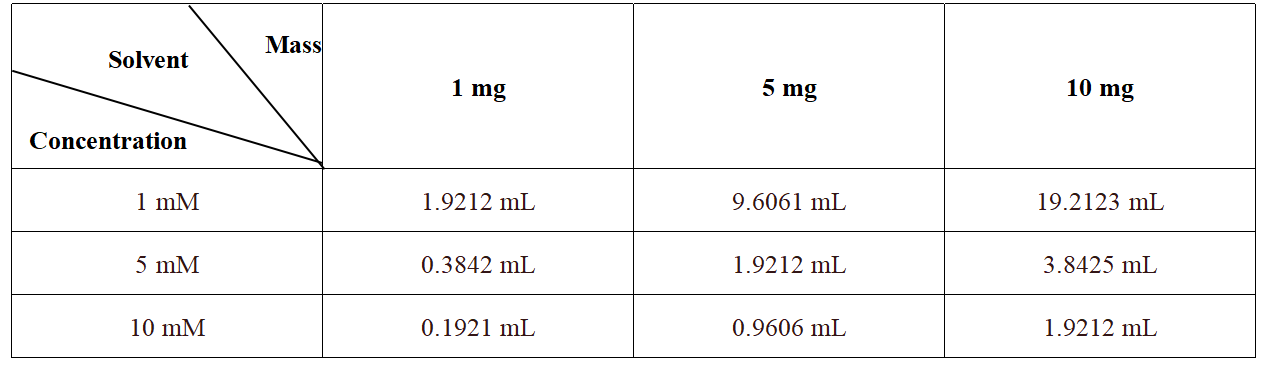
Please select the appropriate solvent for preparing stock solutions based on the product's solubility in different solvents. Once prepared, aliquot the stock solution and store it to avoid product failure caused by repeated freeze-thaw cycles.
Storage conditions and shelf life: -80°C, 1 year; -20°C, 6 months (stored under nitrogen). When stored at -80°C, use within 1 year; when stored at -20°C, use within 6 months.
2. Animal Experiment
Please select an appropriate dissolution protocol based on your experimental animals and route of administration.
For the following protocols, first prepare a clear stock solution according to the In Vitro method, then add the co-solvents sequentially:
— To ensure the reliability of experimental results, the clear stock solution can be stored appropriately according to the storage conditions. For working solutions used in vivo, it is recommended to prepare them freshly on the day of use.
— The percentage displayed before each solvent indicates the volume percentage of that solvent in the final solution you prepare. If precipitation or crystallization occurs during preparation, dissolution can be assisted by heating and/or sonication.
Protocol 1
Please add each solvent in the following order: 10% DMSO, 40% PEG300, 5% Tween-80, 45% Saline.
Solubility: ≥ 2.5 mg/mL (4.80 mM); Clear solution.
This protocol yields a clear solution of ≥ 2.5 mg/mL (saturation unknown).
Taking 1 mL of working solution as an example:
Add 100 μL of a 25.0 mg/mL clear DMSO stock solution to 400 μL of PEG300 and mix well. Then add 50 μL of Tween-80 to the above mixture and mix well. Finally, add 450 μL of normal saline to bring the volume to 1 mL.
Preparation of Saline:
Dissolve 0.9 g of sodium chloride in ddH₂O and bring the volume to 100 mL to obtain a clear and transparent saline solution.
Protocol 2
Please add each solvent in the following order: 10% DMSO, 90% (20% SBE-β-CD in Saline).
Solubility: ≥ 2.5 mg/mL (4.80 mM); Clear solution.
This protocol yields a clear solution of ≥ 2.5 mg/mL (saturation unknown).
Taking 1 mL of working solution as an example:
Add 100 μL of a 25.0 mg/mL clear DMSO stock solution to 900 μL of a 20% SBE-β-CD in saline solution and mix well.
Preparation of 20% SBE-β-CD in Saline:
Dissolve 2 g of SBE-β-CD (Sulfobutylether β-Cyclodextrin) powder in saline and bring the volume to 10 mL. Mix until completely dissolved to obtain a clear and transparent solution.
Protocol 3
Please add each solvent in the following order: 10% DMSO, 90% Corn Oil.
Solubility: ≥ 2.5 mg/mL (4.80 mM); Clear solution.
This protocol yields a clear solution of ≥ 2.5 mg/mL (saturation unknown). Consider using this protocol for animal experiments with a duration longer than half a month.
Taking 1 mL of working solution as an example:
Add 100 μL of a 25.0 mg/mL clear DMSO stock solution to 900 μL of corn oil and mix well.
Pharmacodynamics
Clinical studies have shown a significant decrease in sweat chloride and an increase in the forced expiratory volume (FEV), a measure of lung function, following Tevacaftor/Ivacaftor therapy.1 Phase 3 clinical studies have shown that a significant increase in forced expiratory volume was attained at 4 and 8 weeks after initiating this drug. The above effects lead to improvement of the respiratory symptoms of cystic fibrosis. Tezacaftor does not induce clinically significant QT prolongation. When given with ivacaftor, tezacaftor can lead to liver transaminase elevations. Testing of transaminases (ALT and AST) levels should occur before starting this combination every 3 months during the first year of treatment, and every year afterwards. Patients with a history of transaminase elevations should be monitored more frequently.
Mechanism Of Action
The transport of charged ions across cell membranes is normally achieved through the actions of the cystic fibrosis transmembrane regulator (CFTR) protein. This protein acts as a channel and allows for the passage of chloride and sodium. This process affects the movement of water in and out of the tissues and impacts the production of mucus that lubricates and protects certain organs and body tissues, including the lungs. In the F508del mutation of the CFTR gene, one amino acid is deleted at the position 508, therefore, the CFTR channel function is compromised, resulting in thickened mucus secretions. Tezacaftor is a CFTR corrector that aims to repair F508del cellular misprocessing. This is done by modulating the position of the CFTR protein on the cell surface to the correct position, allowing for adequate ion channel formation and increased in water and salt movement through the cell membrane. The concomitant use of ivacaftor is intended to maintain an open channel, increasing the transport of chloride, reducing thick mucus production.
Similar Products
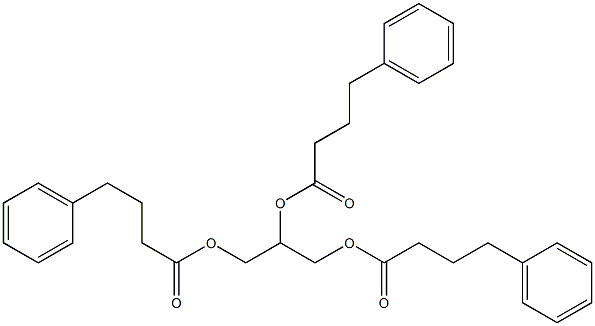
Glycerol Phenylbutyrate
Therapy
: Orphan diseases
Target
: Sigma Receptor
CAS
: 611168-24-2
MF
: C33H38O6
MW
: 530.65
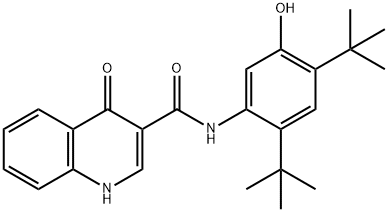
Ivacaftor
Therapy
: Orphan diseases
Target
: CFTR
CAS
: 873054-44-5
MF
: C24H28N2O3
MW
: 392.49
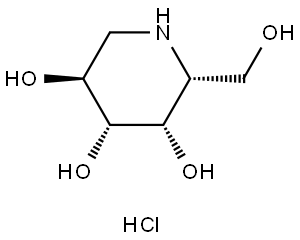
Migalastat Hydrochloride
Therapy
: Orphan diseases
Target
: α-Gal A
CAS
: 75172-81-5
MF
: C6H13NO4.ClH
MW
: 199.63
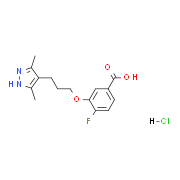
Acoramidis Hydrochloride
Therapy
: Orphan diseases
Target
: TTR
CAS
: 2242751-53-5
MF
: C15H18ClFN2O3
MW
: 328.77