
Ceftobiprole Medocaril Sodium
A fifth-generation cephalosporin antibiotic; indicated for the treatment of hospital-acquired pneumonia (HAP) and community-acquired pneumonia (CAP), with activity against methicillin-resistant Staphylococcus aureus(MRSA).
Overview
Ceftobiprole is a broad spectrum 5th-generation cephalosporin antibacterial indicated for certain kinds of pneumonia, bacteremia, and skin and skin structure infections, including those caused by MRSA.
Synonyms: BAL-9141-000; RO-0639141-000; BAL-5788; BAL-9141; Ro-65-5788; BAL-5788-001; JNJ-30982081; JNJ 30982081; Ro-63-9141; Mabelio; Zeftera; Zevtera; Ceftobiprol medocarilo; Ceftobiprolum medocarilum; Ceftobiprole medocaril
EINECS: 607-653-6
Product Categories: Anti-Bacterial Agents; BSEP/ABCB11 Inhibitors; Cephalosporins; OATP1B3 inhibitors
Mol File: 252188-71-9.mol
Physicochemical Properties
Storage temp: 4°C, sealed storage, away from moisture and light
Solubility: DMSO: 5 mg/mL (9.35 mM)
Form: Solid
Color: Off-white to Light Yellow
MSDS Information
Experimental Data
Cell Experiment
DMSO: 250 mg/mL (350.81 mM; Ultrasonic required)
Preparing Stock Solutions:
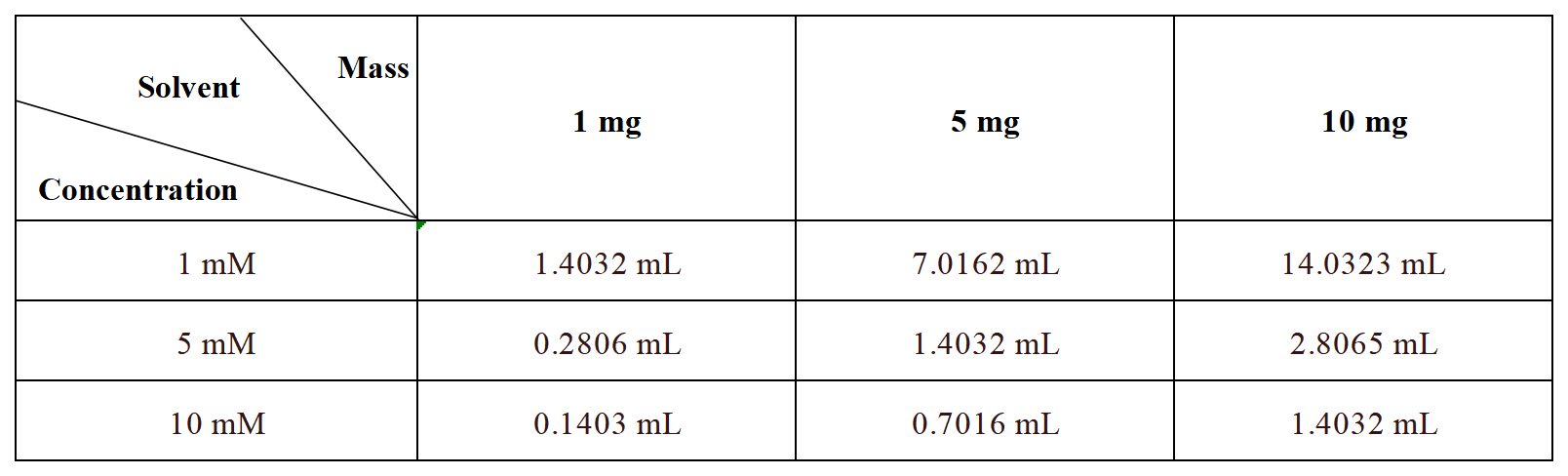
Please prepare the stock solution in the appropriate solvent based on the product's solubility in different solvents. Once dissolved, aliquot the solution to avoid product inactivation caused by repeated freeze-thaw cycles.
Storage method and shelf life of the stock solution: -80°C, 6 months; -20°C, 1 month (sealed storage, away from moisture and light). When stored at -80°C, please use within 6 months; when stored at -20°C, please use within 1 month.
Pharmacodynamics
Ceftobiprole has demonstrated in vitro activity against Gram-positive and Gram-negative bacteria. In a neutropenic murine thigh infection model, therapeutic efficacy is correlated with the time that the unbound plasma concentration of ceftobiprole exceeds the minimum inhibitory concentration (MIC) of S. aureus, S. pneumoniae, and Enterobacterales spp.
It is not active against Gram-negative bacteria producing extended-spectrum beta-lactamases (ESBLs) from the TEM, SHV, or CTX-M families, serine carbapenemases (such as KPC), class B metallo-beta-lactamases, class C (AmpC cephalosporinases) if expressed at high levels, and Ambler class D beta-lactamases including carbapenemases.
Ceftobiprole is not indicated for use in patients with ventilator-associated bacterial pneumonia (VABP) - in clinical trials, a statistically significant increase in mortality was seen in patients with VABP treated with ceftobiprole medocaril as compared to comparator-treated patients.
Mechanism Of Action
Ceftobiprole, the active moiety of ceftobiprole medocaril, exhibits its bactericidal activity by inhibition of bacterial cell wall synthesis. This activity is mediated through binding to essential penicillin-binding proteins (PBPs) and inhibiting their transpeptidase activity, which is essential for the synthesis of the peptidoglycan layer of the bacterial cell wall. Ceftobiprole has demonstrated in vitro activity against both Gram-positive and Gram-negative bacteria. In Gram-positive bacteria, including methicillin-resistant Staphylococcus aureus (MRSA), Ceftobiprole binds to PBP2a. Ceftobiprole also binds to PBP2b in Streptococcus pneumoniae (penicillin-intermediate), PBP2x in S. pneumoniae (penicillin resistant), and to PBP5 in Enterococcus faecalis.
Similar Products
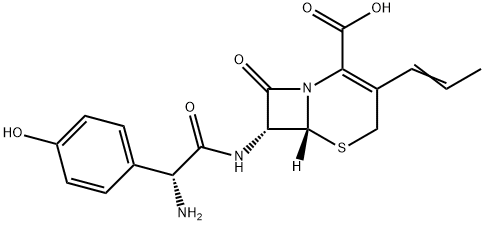
Cefprozil
Therapy
: Infectious diseases
Target
: PBPs
CAS
: 92665-29-7
MF
: C18H19N3O5S
MW
: 389.43
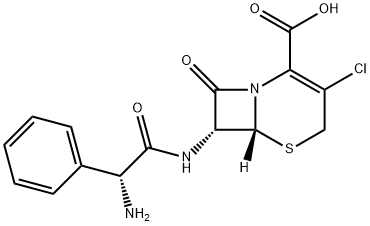
Cefaclor
Therapy
: Infectious diseases
Target
: PBPs
CAS
: 53994-73-3
MF
: C15H14ClN3O4S
MW
: 367.81

Cefpodoxime proxetil
Therapy
: Infectious diseases
Target
: PBPs
CAS
: 87239-81-4
MF
: C21H27N5O9S2
MW
: 557.6
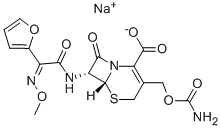
Cefuroxime Sodium
Therapy
: Infectious diseases
Target
: PBPs
CAS
: 56238-63-2
MF
: C16H15N4O8S•Na
MW
: 446.4