
LGD Series SARMs: Precision Research Tools for Exploring Muscle and Bone Metabolism

In the fields of sports nutrition and pharmaceutical research, LGD series SARMs (such as LGD-3303 and LGD-2226), as experimental selective androgen receptor modulators, offer a potential tissue-selective approach for research into muscle wasting and osteoporosis. PHMO is committed to supplying high-purity research materials to empower your R&D projects.
With an aging population and the increasing prevalence of chronic diseases, muscle atrophy and bone loss have become global health challenges. While traditional androgen therapies are effective, they are often accompanied by side effects such as those impacting the prostate. The LGD series is among the early, well-documented prototype compounds with a solid foundation in scientific literature. LGD series SARMs provide a more precise research pathway by selectively activating the androgen receptor, helping scientists explore protective mechanisms for muscle and bone. As experimental compounds, these products are for laboratory use only and not for medical purposes.
1. Function & Core Research Applications
l LGD-3303 (CAS 917891-35-1 / 1196133-39-7) is an orally bioavailable non-steroidal SARM with high affinity (Ki=0.9nM). Preclinical studies show potent activation of muscle tissue while acting as a partial agonist on tissues like the prostate. It is primarily used in animal model research for muscle wasting conditions (e.g., cancer cachexia or age-related sarcopenia). In rat studies, a dose of 1 mg/kg/day reversed castration-induced muscle loss, although a human dose is not established and is for research reference only.
l LGD-2226 (CAS 328947-93-9) is also an oral SARM (Ki=1nM) with research focus similar to LGD-3303, concentrating on dual protection for muscle and bone. It enhances bone strength and prevents muscle atrophy in animal models, used for osteoporosis and muscle wasting research. Preclinical data indicates it improves bone biomechanical properties without significantly affecting prostate growth.
Note: Products supplied by PHMO are for in vitro or preclinical research use only. Not for human use.
2. Differentiating Features & Advantages
Compared to traditional steroids/non-selective agonists, LGD series compounds are designed for higher tissue selectivity, aiming to reduce androgen-related side effects like prostate hyperplasia and hepatotoxicity. This allows research outcomes to be more clearly attributed to muscle and bone targets. LGD-3303 acts as a full agonist on muscle but only a partial agonist on the prostate, reducing potential side effects. LGD-2226 uniquely balances muscle and bone effects, making it more suitable for bone health research compared to other SARMs (e.g., RAD140, which focuses more on muscle growth). Both have good oral bioavailability, distinguishing them from traditional therapies requiring injection, and preclinical pharmacokinetics show tissue selectivity independent of plasma concentration.
3. Target Audience & Market Validation
These compounds target pharmaceutical and nutrition researchers, academic laboratories for exploring mechanisms of sarcopenia, osteoporosis, and metabolic diseases. Market validation is primarily based on preclinical animal studies (e.g., improved bone strength and muscle protection in rat models). They have not entered human clinical trials but are widely used as tool compounds within the scientific community. The global SARMs market is projected to grow strongly, particularly in sports nutrition and elderly health sectors, but it is emphasized that they are for research only, not consumer use.
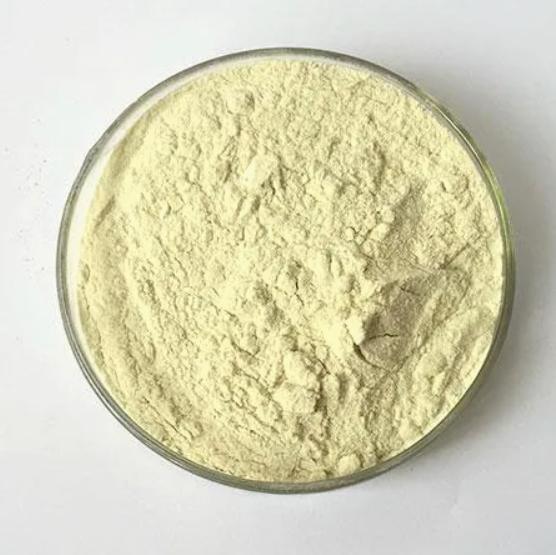
Unlocking the mysteries of muscle and bone metabolism starts with reliable research materials. PHMO ensures every batch of LGD products comes with a detailed Certificate of Analysis (COA) to guarantee the accuracy of your research data. Contact us for a quotation, or comment below to share your research needs. PHMO – Your Reliable Research Partner!