
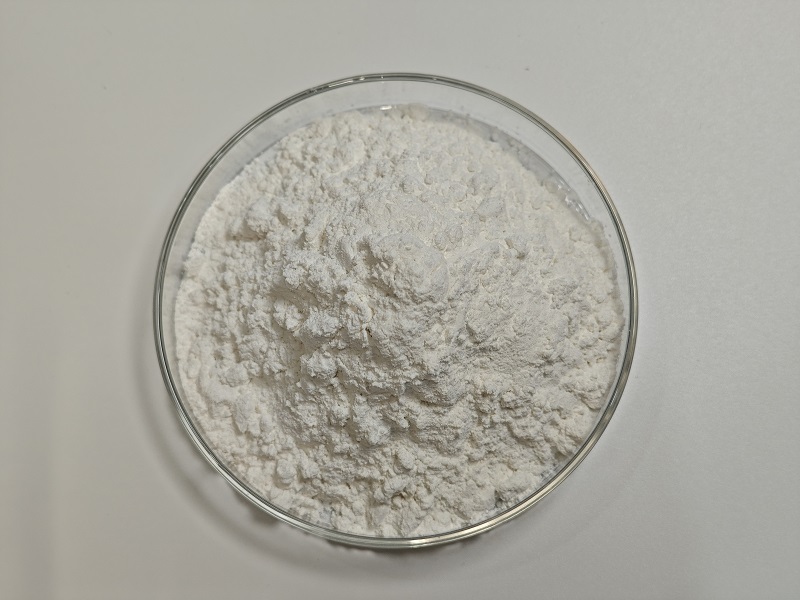
Cefepime hydrochloride
A fourth-generation cephalosporin antibiotic; used to treat a wide range of severe bacterial infections, including pneumonia, complicated urinary tract infections, and sepsis, particularly when caused by multidrug-resistant pathogens.
Overview
Cefepime hydrochloride, also known as cefepime dihydrochloride monohydrate, is a fourth-generation cephalosporin injectable antibiotic. Cefepime exhibits potent antibacterial activity against Gram-negative bacteria, Gram-positive bacteria, and anaerobic bacteria. It also demonstrates high stability against β-lactamases. Compared to third-generation cephalosporins, cefepime has a broader antibacterial spectrum and enhanced antibacterial activity.
Synonyms: BMY-28142; SP-1001; Axepim; Maxipime; Maxcef; Cefepimi Dihydrochloridum; Cefepimi Hydrochloridum; Cefepimum
EINECS: 642-959-3
Product Categories: Heterocyclic Compounds; Heterocycles; Intermediates & Fine Chemicals; Pharmaceuticals; Sulfur & Selenium Compounds; Chiral Reagents; Anti-Bacterial Agents
Mol File: 123171-59-5.mol
Physicochemical Properties
Melting point: 150°C (dec.)
Storage temp: Keep in dark place, Inert atmosphere, 2-8°C
Solubility: Soluble in DMSO
Form: Powder
Color: white to Faint Yellow
MSDS Information
Experimental Data
1. Cell Experiment
H₂O: 10 mg/mL (17.50 mM; Ultrasonic required)
DMSO: 6 mg/mL (10.50 mM; Ultrasonic required)
Preparing Stock Solutions:
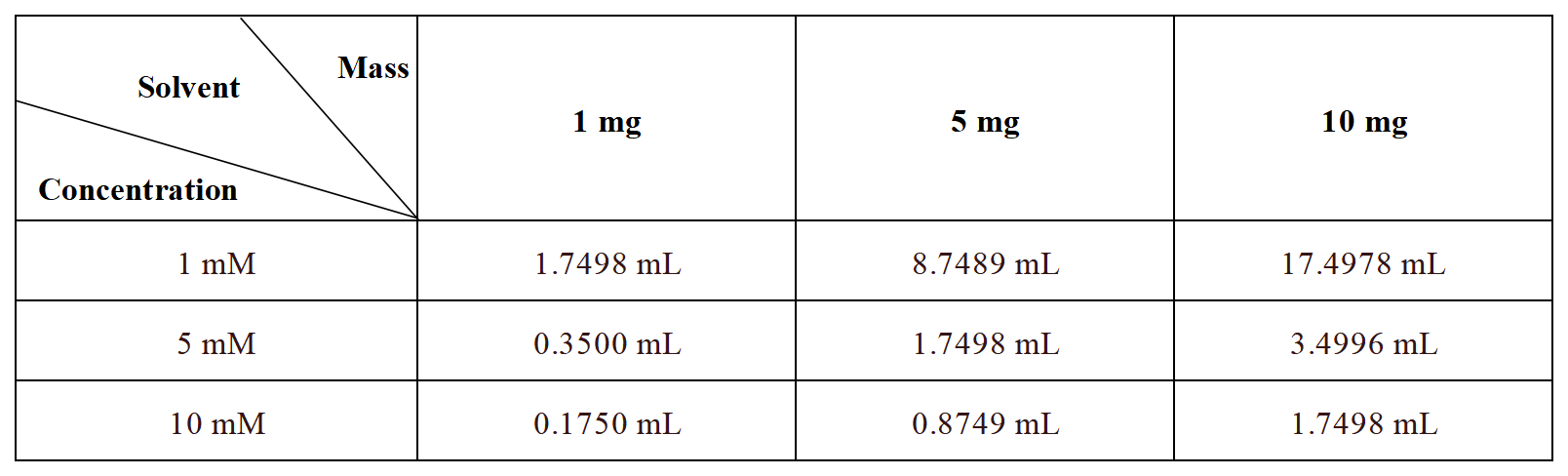
Please prepare the stock solution in the appropriate solvent based on the product's solubility in different solvents. Once dissolved, aliquot the solution to avoid product inactivation caused by repeated freeze-thaw cycles.
Storage method and shelf life of the stock solution: -80°C, 6 months; -20°C, 1 month (sealed storage, away from moisture and light). When stored at -80°C, please use within 6 months; when stored at -20°C, please use within 1 month.
2. Animal Experiment
Please select the appropriate dissolution protocol based on your experimental animals and administration method. For the following protocols, first prepare a clear stock solution in vitro, then add co-solvents in sequence:
To ensure reliable experimental results, the clear stock solution can be stored appropriately according to the storage conditions. For in vivo experiments, it is recommended to prepare the working solution fresh and use it on the same day.
The percentages shown before the solvents refer to the volume percentage of each solvent in the final solution. If precipitation occurs during preparation, heating and/or sonication can be used to aid dissolution.
Protocol 1
Add solvent in the following order: PBS
Solubility: 7.14 mg/mL (12.49 mM); Clear solution; Ultrasonic required
Protocol 2
Add each solvent in the following order: 10% DMSO, 40% PEG300, 5% Tween-80, 45% Saline
Solubility: ≥ 2.08 mg/mL (3.64 mM); Clear solution
This protocol yields a clear solution with a concentration of ≥ 2.08 mg/mL (3.64 mM, saturation unknown).
Preparation example for a 1 mL working solution:
Take 100 μL of the 20.8 mg/mL clear DMSO stock solution and add it to 400 μL of PEG300, mix well. Then add 50 μL of Tween-80 to the mixture and mix thoroughly. Finally, add 450 μL of normal saline to bring the volume to 1 mL.
Protocol 3
Add each solvent in the following order: 10% DMSO, 90% (20% SBE-β-CD in Saline)
Solubility: 2.08 mg/mL (3.64 mM); Suspended solution; Ultrasonic required
This protocol yields a homogeneous suspension at 2.08 mg/mL (3.64 mM), suitable for oral and intraperitoneal administration.
Preparation example for a 1 mL working solution:
Take 100 μL of the 20.8 mg/mL clear DMSO stock solution and add it to 900 μL of a 20% SBE-β-CD solution in saline, mix well.
Protocol 4
Add each solvent in the following order: 10% DMSO, 90% Corn Oil
Solubility: ≥ 2.08 mg/mL (3.64 mM); Clear solution
This protocol yields a clear solution with a concentration of ≥ 2.08 mg/mL (3.64 mM, saturation unknown). This protocol is not suitable for experiments lasting longer than half a month.
Preparation example for a 1 mL working solution:
Take 100 μL of the 20.8 mg/mL clear DMSO stock solution and add it to 900 μL of corn oil, mix well.
Pharmacodynamics
Cefepime is a fourth-generation cephalosporin antibiotic. It is active against Gram-negative bacteria such as Enterobacter spp., Escherichia coli, Klebsiella pneumoniae, Proteus mirabilis and Pseudomonas aeruginosa, and Gram-positive bacteria such as Staphylococcus aureus (methicillin-susceptible isolates only), Streptococcus pneumoniae, Streptococcus pyogenes and Viridans group streptococci. Compared to third-generation cephalosporins, cefepime has an extended Gram-negative coverage. Whereas other cephalosporins are degraded by plasmid- and chromosome-mediated beta-lactamases, cefepime is stable and not significantly hydrolyzed by these enzymes. Cefepime is also a poor inducer of type 1 beta-lactamases and, therefore, a good alternative against bacteria resistant to third-generation cephalosporins.
In animal models of infection, the time that the unbound plasma concentration of cefepime exceeds the minimum inhibitory concentration (MIC) of infecting organisms has been shown to correlate with treatment efficacy. It has been suggested that cefepime can cross the inflamed blood-brain barrier. This, along with its ability to inhibit γ-aminobutyric acid (GABA), could lead to the neurotoxic effects observed in some of the patients treated with cefepime.
Mechanism Of Action
Cefepime is a bactericidal cephalosporin with a mode of action similar to other beta-lactam antibiotics. Cefepime disrupts bacterial cell walls by binding and inhibiting transpeptidases known as penicillin-binding proteins (PBPs), which are enzymes involved in the final stages of peptidoglycan layer synthesis. This results in the lysis and death of susceptible microorganisms. Cefepime has a broad spectrum of in vitro activity that includes both Gram-positive and Gram-negative bacteria. Cefepime has affinity for PBP-3 and PBP-1 in Escherichia coli and Pseudomonas aeruginosa, as well as PBP-2 in E. coli and Enterobacter cloacae.
Similar Products
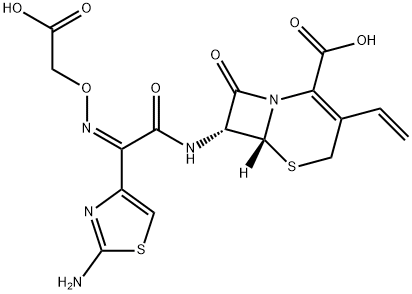
Cefixime
Therapy
: Infectious diseases
Target
: PBPs
CAS
: 79350-37-1
MF
: C16H15N5O7S2
MW
: 453.45
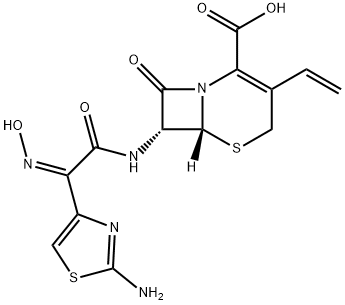
Cefdinir
Therapy
: Infectious diseases
Target
: PBPs
CAS
: 91832-40-5
MF
: C14H13N5O5S2
MW
: 395.41
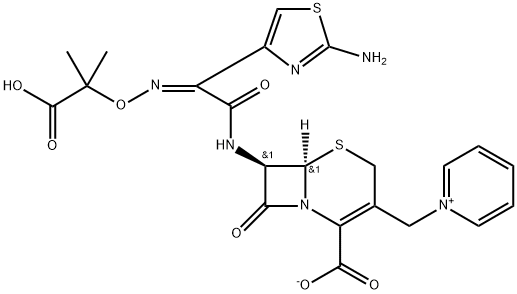
Ceftazidime
Therapy
: Infectious diseases
Target
: PBPs
CAS
: 72558-82-8
MF
: C22H22N6O7S2
MW
: 546.58
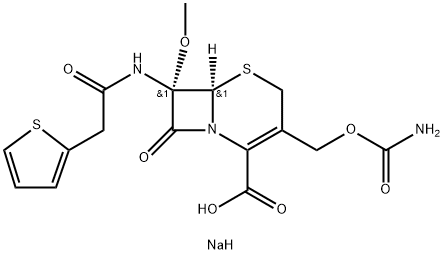
Cefoxitin Sodium
Therapy
: Infectious diseases
Target
: PBPs
CAS
: 33564-30-6
MF
: C16H16N3O7S2•Na
MW
: 449.4